(This story is part 1.5 of 2. Part one can be found here)
Over the past while, I have been exploring the potential, the fears, the misunderstandings, the unknown, and the potential economic bubble of computer-powered artificial computing models (you know, the “AI” everyone is “chatting” about —and chatting with, see disclaimer at the bottom how and why i have used it in this case ).
Funny enough, I see solutions similar to those I have been facing in my career pop up. Often, they have identical naming schemes to those I create to streamline the chaos: words like Workspace, Studio, Creative Engine, Labs, and so on.
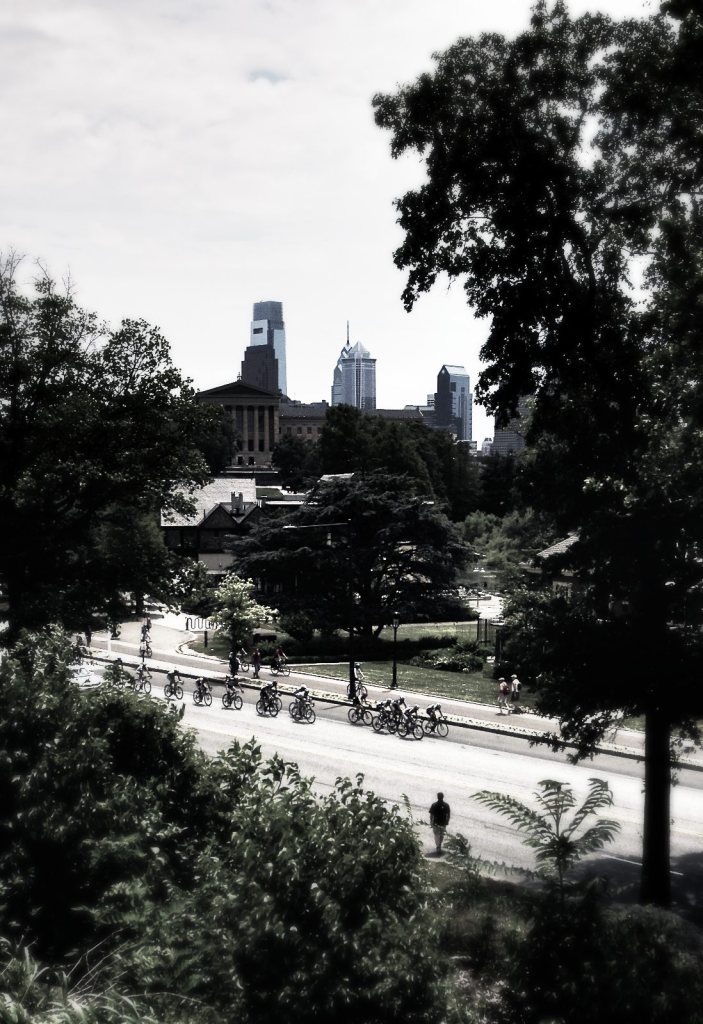
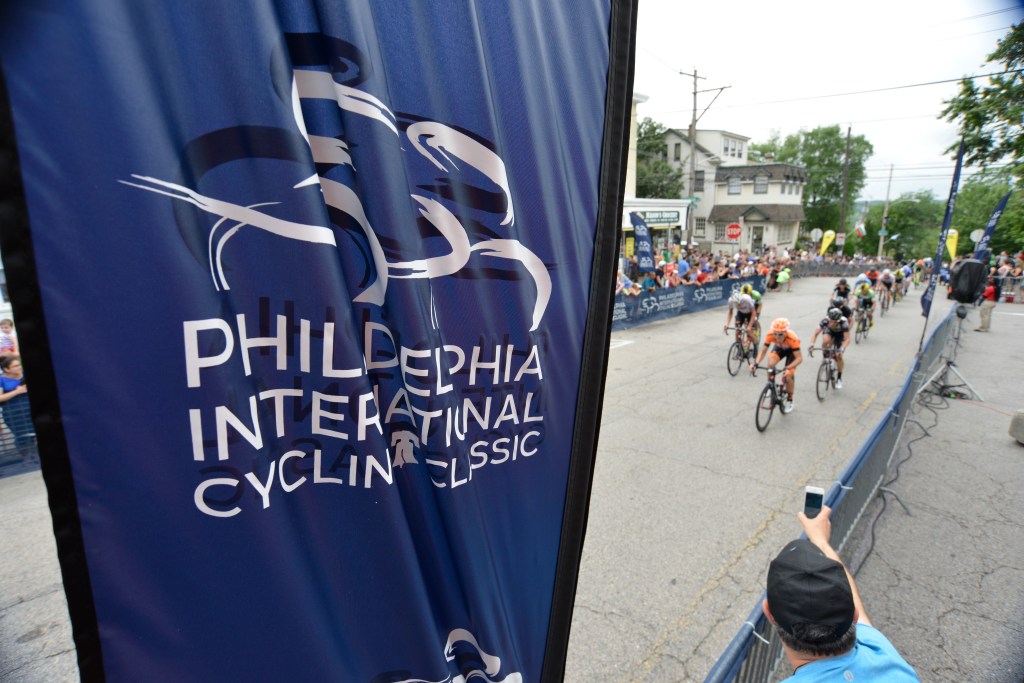
This gave me the first insight: my ideas are indeed not as unique as I make myself believe in my dreams. But maybe one day we will see the gondola cableway connecting my hometown’s landmarks, Love Park with the Rocky Steps, and a side trip over the Schuylkill to witness the splendor of Boathouse Row, to drop presumable a handfull soccer fans (or cycling fans) at the hot spot in town: Lemon Hill. (A note on this vision: it actually came to me while I was knocked out with a fever-dream, which briefly pulled me away from the conceptualization, debugging, and testing of the Creative Engine OS production pipeline for Creative Professionals I am currently working on.)
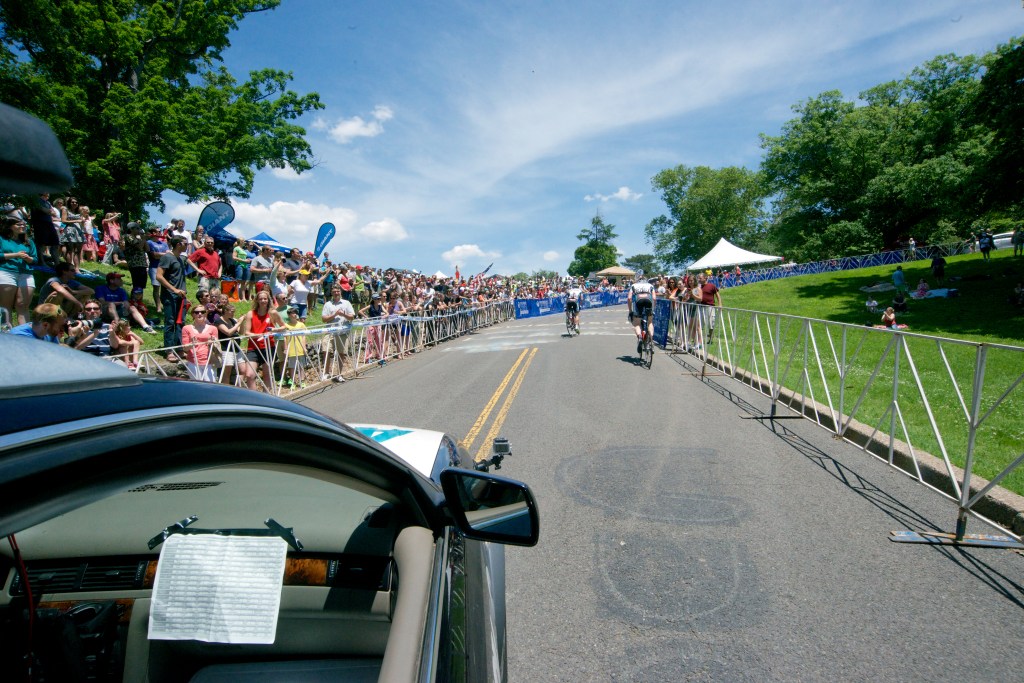
For everything I do, I am always a firm believer in **DIY**. Once I can wrap my head around a concept and get a feel for its potential, I want to talk about it. While I know it often takes a good amount of time to comprehend the core concepts, I prefer the ‘hard way’ over the “tutorial-hell” of experts on pretty much anything.
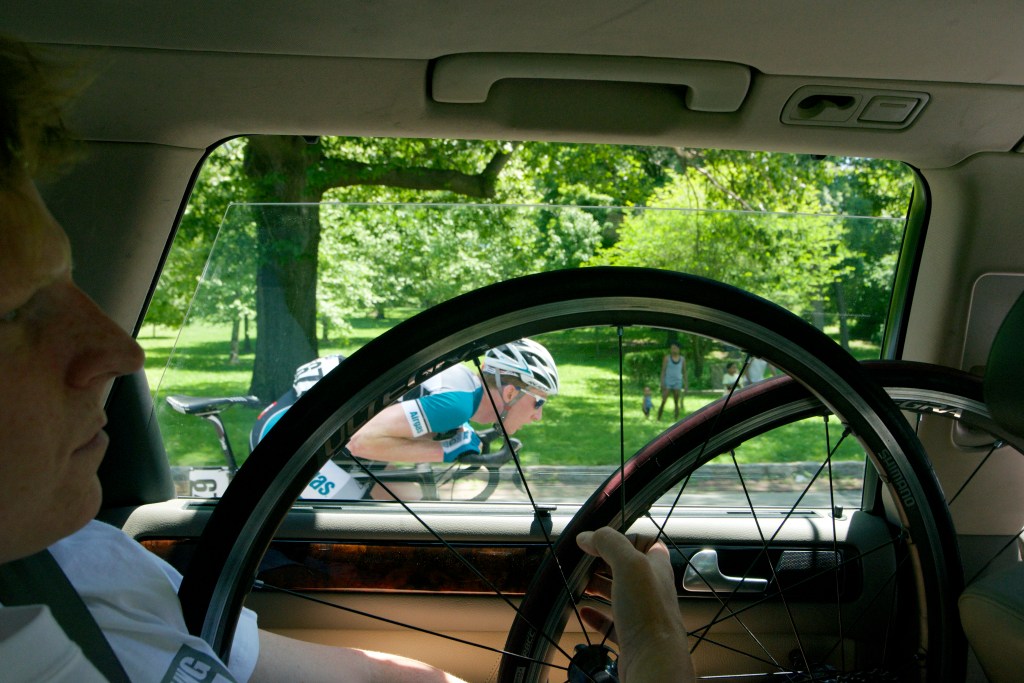
The only video tutorial I produced myself was an experiment to see if I understood what it took to put a **series-edited ‘how-to’ video** together, *while* at the same time solving a technical issue with my bike (utilizing, or retrofitting, a modernized brake system on a heavily outdated mid-1980s **Schwinn** road bike). As I studied art school with a focus on Multimedia/Film/Video and very early forms of digital, 3D/CGI, and ‘public’ internet art installations, I worked as a bike mechanic at a Local Bike Shop (**LBS**).
Looking back at the bike tutorial (both bike and tutorial are still going smooth, I feel I was more successful in the bike tuning (with the lowest budget tool kit, which has since been replaced with a full professional Park Tools kit—so for anyone with bike issues? I might be able to help there too).
Perhaps this early desire to be able to fix my own bike came from my late father. One of my earliest memories was that he was always tinkering on something. I have seen him pull apart cars, bikes, cameras, watches, entire homes, and put them all back together in full working order. The job he was most known for was being the leading high-quality school photographer in the greater Amsterdam area. Wherever we went—from every Amsterdam neighborhood to remote, dormant, and authentic French villages we visited in our extended summer breaks—a kid (often my age) would pull their parent’s arm and yell (so the entire village could hear): “Look Mom, the school photographer!”
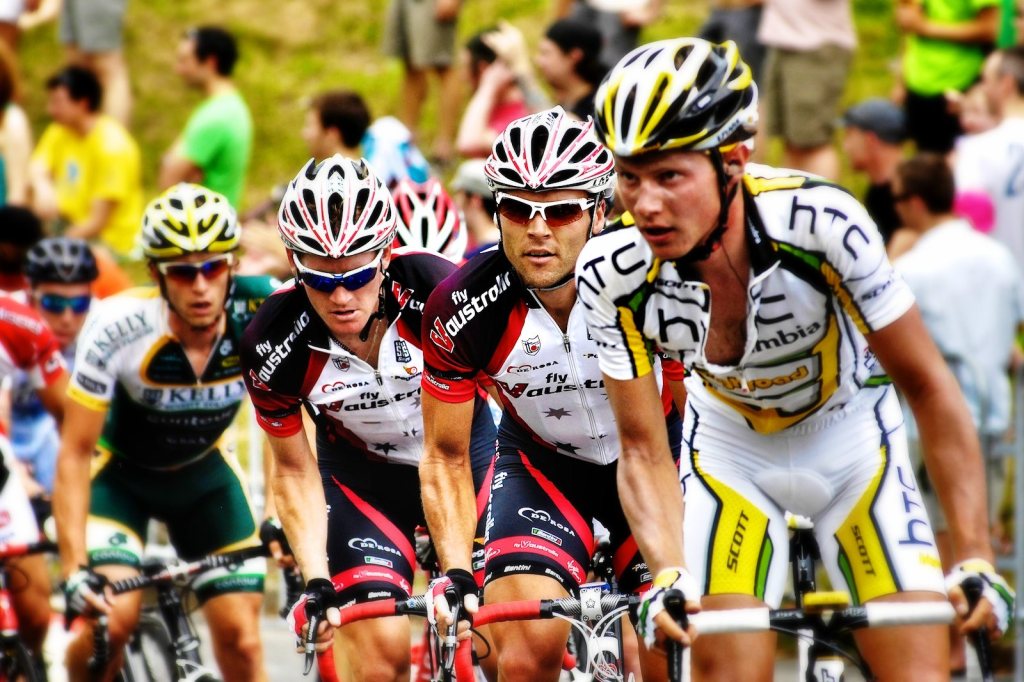
At the unexpected, rough decade of the end of his life, my parents seized the opportunity to create their real-life heaven on Earth, to live **comme un Dieu dans la belle campagne de Bourgogne** (like a God in the beautiful countryside of Burgundy). As I moved to a different ‘time-zone,’ my mom still resides in an area where days after **Quatorze Juillet**, the Tour de France will go past in less than 10 seconds during one of the potential most boring stages. Exactly how it should be. I remember watching the TDF going past the old hamlet my mom used to live in, now a few years back. She biked to the end of her dirt-path on her solid ‘**Frisian Workhorse**’ bike that (when my dad was still around and the kids ‘kinda’ out of the house) they traversed over all old European roads, through the Alps and the Pyrenees, with a decades-long quest to find their spot on this planet.
So, my mom biked to the route. Helicopters are moving in. We are watching it over a live-hacked stream, not exactly knowing where she would be. The stage is very long and very boring, but the speed is still there. For a long period, a Moto follows a small breakaway, but as soon as the road curves to head into the village, we switch to the heli.
“There she is! I yell to the TV: LOOK SON, IT IS MY MOM!!!”
Even though the helicopter flies at a normal height, she is easily recognizable, standing on the other side of the road of what turned out to be the parents of a local rider (I learned a minute later from the Moto not covering the side my mom was on). Back then, as a kid on a desolate *jeux de boules* court under *planates* trees, and now this moment, I was so proud.
This moment happened a few years after we lost my father, a few months after our son Zane was born. In their time together on this planet, we used Skype to keep frequent ‘chats’ and have insane fun on a pixelated screen.
At the time of seeing my mom on TV, things had changed. Covid created a fully digital native generation. Nowadays, our monthly data consumption is sky-high with WFH and Zane keeping FaceTime open as a ‘chat room’ for an entire day while gaming with his friends.
The point I try to make is that while we must find a natural purpose to our ‘chats,’ we also need the development of technology. Make it accessible, open, and community built.
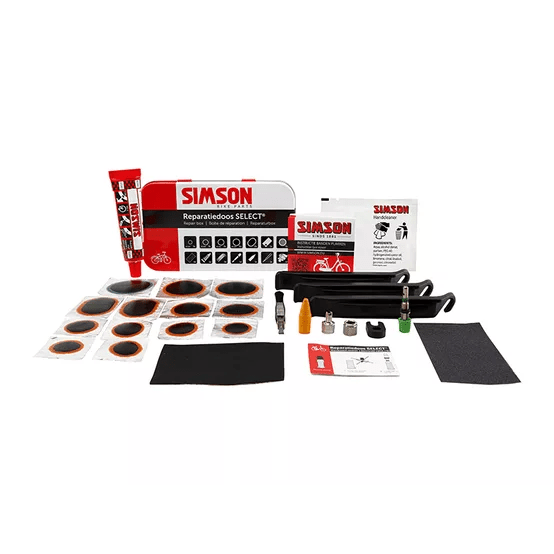
“Vulcanization”
In my recent research, I am finding more and more that it has value to host the tools you need locally. The same as the stories I shared before that have formed my character: if you have a bike, you should be able to fix it yourself.
And as much as I understand the power of community, I am becoming a stronger believer that with AI, the user should be able to patch any leak by themselfs.
(In the spirit of transparency and continuous refinement, this text was edited and fine-tuned for clarity and grammar using the Gemini 2.5 Flash AI model. As a non-native English speaker, the author is committed to ensuring the precision and style of this personal narrative remain clear and precise.)
 Bastiaan Slabbers